
Testing before youproduce.
An injection mould costs thousands of euros and takes weeks. A prototype costs tens of euros and is ready the next day. It's always worth finding the mistake in the prototype.
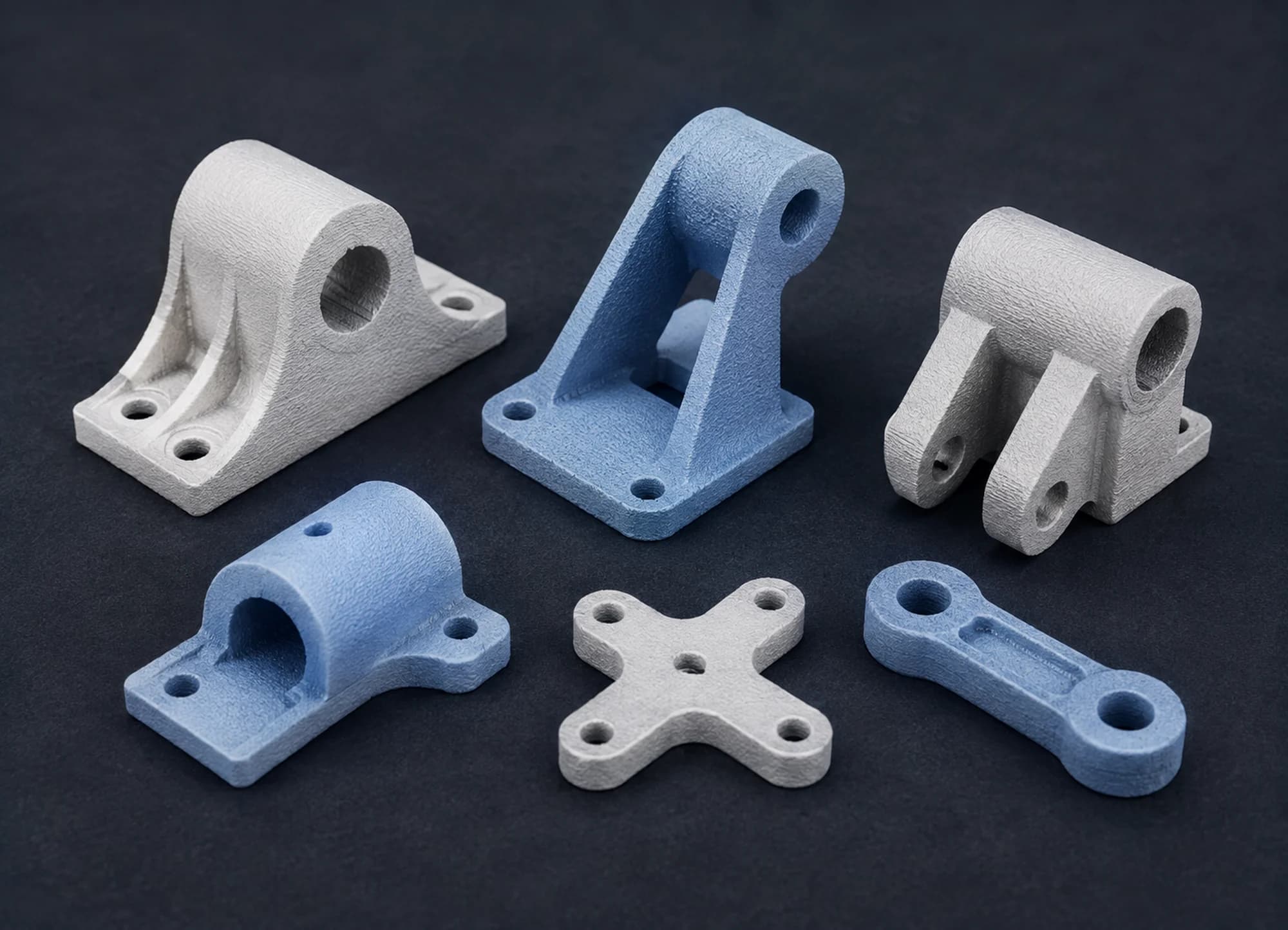
How it works
1
First version in days
We print from the drawing or file you already have.
2
You test and tell us what's wrong
Fit, play, strength, whatever it is.
3
We fix it and print another
Changes to the geometry based on what failed, not the colour.
4
We repeat until it's right
We keep every version. In the end you know why the part is the way it is.
Who it's for
- Anyone producing a batch who wants to reach the mould with the right shape.
- Designers and engineers, to validate assembly and ergonomics.
- Anyone getting a product ready to sell.
What we test
- Fit
- whether it goes in, and how tight
- Assembly
- whether the parts go together in the right order
- Ergonomics
- whether it feels good to hold, whether the control sits where it should
- Strength
- whether it breaks, and where it breaks
- Volume
- proportions in the hand, which the screen always gets wrong
Recommended materials
- PLA
- shape and volume. Cheap and fast, for the first versions.
- PETG
- functional tests, when the part actually has to work.
- Resin
- fine detail and surface finish, when appearance is what matters.
Timelines
- First version
- 24 to 48 hours
- Iteration cycle
- 1 to 2 days